by Ngo Fung Chan, Sin Yi Leung, Ann Luc, Heenal Patel
AMED3002, April 2019

Your heart is one of the most important organs in your body; it is vital to your survival. It pumps blood through your body, carrying oxygen and nutrients. However, recent changes in people’s lifestyles have made them more sedentary, giving rise to a high prevalence of cardiovascular disease. It kills one Australian every 28 minutes.
Cardiovascular disease (or heart disease) is the broad term for conditions related to the blockage or impaired function of the heart and it’s blood vessels. It can cause heart attacks, angina and stroke.
Common advice given to people to reduce their risk of cardiovascular disease includes consuming a low cholesterol diet, quitting smoking, and drinking alcohol in moderation. These risks are modifiable risk factors, but there are also some factors that you can’t control, such as your age and gender.
Using data derived from numerous studies conducted around heart disease, we provide an insight into these risk factors.
Smoking

Smoking is a well known risk factor for cardiovascular disease. It is even acknowledged as a risk factor by cigarette companies and in Australia they are required to sight warnings on their products.
On the graph below you can see how the effect of more packs of cigarettes smoked per year can have on the likelihood of experiencing a cardiovascular event such as angina (chest pain caused by strain on the heart) or myocardial infarction (heart attack).

Alcohol

Alcohol can be seen as a cardiovascular disease risk factor as it raises blood pressure, and thus could cause strain on the heart with regular consumption.

Our research led us to find that the risk of angina is increased simply by having an average of one extra alcoholic drink per week. People who had not experienced angina were consuming 3 drinks or less per week. 25% of people who had experienced an angina were consuming between approximately 2 to 4 alcoholic drinks a week.
Cholesterol
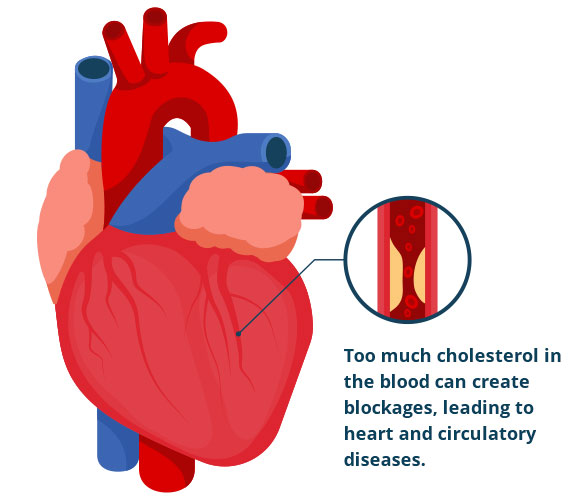
The last modifiable risk factor that we looked at was cholesterol. Although actual serum cholesterol levels cannot be controlled by you, it is possible for you to contribute to reducing your cholesterol levels by following a low cholesterol diet.

In the graph above, you can see that people with heart disease have a slightly higher average cholesterol level than people without heart disease. The range of cholesterol levels also extends to a higher maximum in people with cardiovascular disease.
Age & Gender
Age, although out of your control, is a risk factor for cardiovascular disease. It was found in numerous studies that as a person became older, their risk of heart disease increased.

Similarly, although gender is out of your control, it can affect your likelihood of developing cardiovascular disease. It has been found that males are more likely to suffer from a cardiovascular event than females.
This information is important for people who are at risk, so that they may be able to seek appropriate help and recognize symptoms of heart disease promptly.
References
The University of California, Irvine. 2019. Heart Disease Prevention Program. [ONLINE] Available at: http://www.heart.uci.edu/. [Accessed 8 April 2019].
The University of California, Irvine: Heart Disease Prevention Program
The University of Washington. 2017. Cardiovascular Disease MRI dataset. [ONLINE] Available at: http://courses.washington.edu/b517/Datasets/MRIdata.csv. [Accessed 1 April 2019].
https://www.heartresearch.com.au/heart-disease/what-is-heart-disease/
https://www.heartfoundation.org.au/about-us/what-we-do/heart-disease-in-australia

